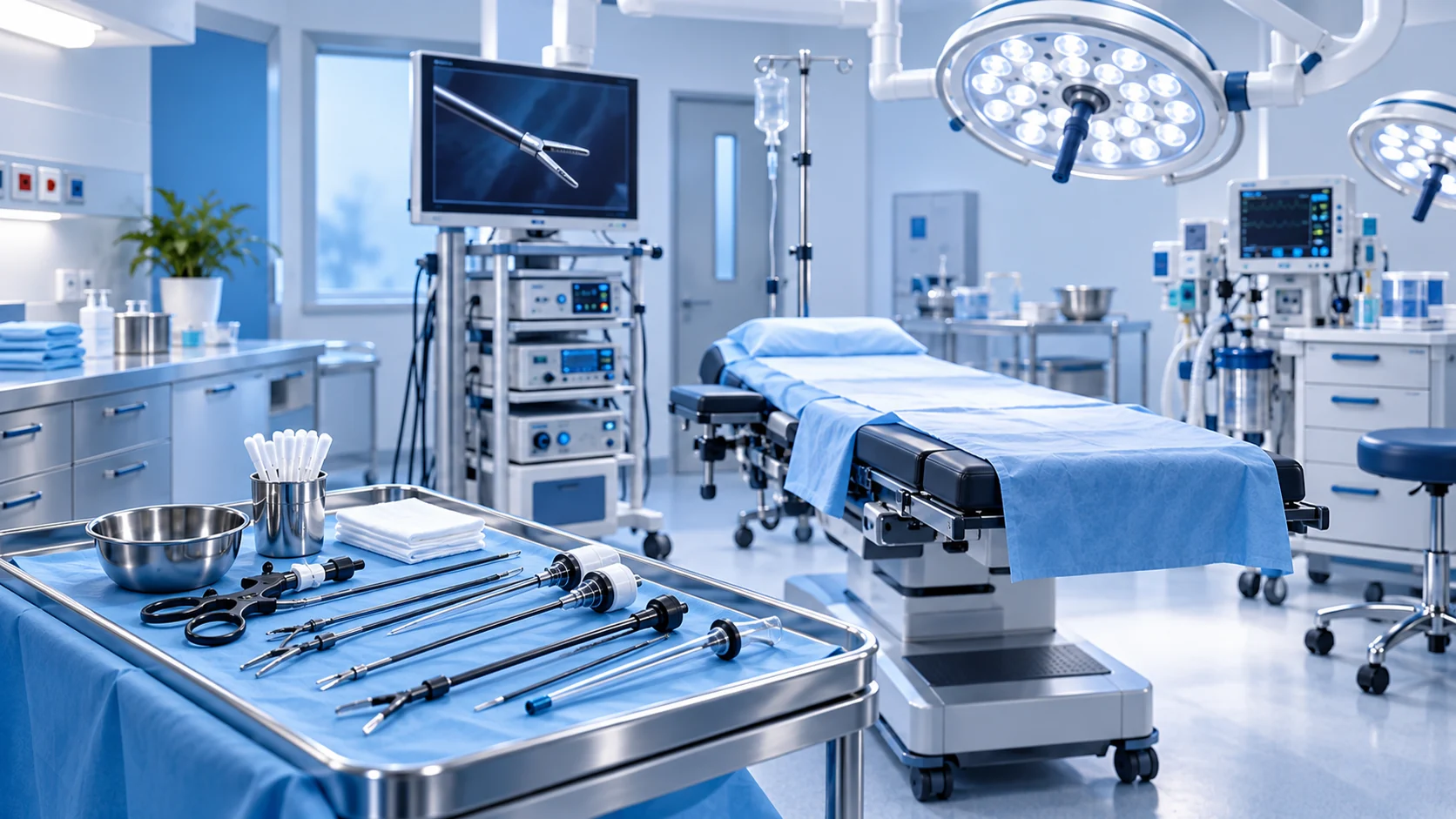
A bowel cancer diagnosis is frightening, and the single most important thing at this stage is a clear plan with a specialist who will see it through with you. Mr Kimble manages colorectal cancer surgery using the most appropriate technique for your specific tumour, favouring minimally invasive approaches wherever they’re oncologically appropriate and coordinates closely with oncology, radiology and specialist nursing throughout.
What is bowel cancer surgery?
Surgery to remove a cancerous section of the bowel, along with surrounding lymph nodes, is the primary treatment for most bowel cancers. The approach depends on the tumour’s size, position and stage, assessed through colonoscopy, imaging and specialist multidisciplinary review before any decision is made.
Signs that prompted your referral
- A persistent change in bowel habit
- Rectal bleeding or blood in stool
- Unexplained weight loss
- Persistent abdominal pain or bloating
- Iron-deficiency anaemia
- A confirmed finding on colonoscopy or imaging
Your treatment options
The surgical technique is determined by tumour position, stage and your overall health, always discussed in full at a multidisciplinary team meeting before your treatment plan is confirmed.
Removal of the affected bowel segment through small incisions using the Versius Plus® surgical platform from CMR, the preferred approach where appropriate, supporting a faster recovery than open surgery.
Removal of the affected bowel segment through small incisions, the approach when robotic surgery is not appropriate, supporting a faster recovery than open surgery.
A specialist technique for selected early rectal tumours, removing the tumour through the anus without external incisions.
For larger, more complex or advanced tumours, open surgery may give the safest and most thorough access, never used by default, only when it’s genuinely the better option.
Recovery & aftercare
Recovery is longer than for benign conditions and is supported by a full multidisciplinary team, specialist nurses, dietitians and, where needed, oncology colleagues, alongside Mr Kimble. You’ll have a clear plan covering pain management, early mobilisation, diet, and what to expect at each follow-up stage, including pathology results and any further treatment discussion.

Rectal bleeding, a lasting change in bowel habit, or unexplained weight loss should always be assessed promptly. Early diagnosis significantly improves outcomes in bowel cancer.
Recovery, honestly
This is a bigger operation than most others and is often carried out at nearby Torbay Hospital, and it deserves an honest answer rather than a reassuring one. Robotic-assisted and laparoscopic surgery: most patients are up and moving within a day or two, home within a week, and back to most normal activities over four to six weeks. Mr Kimble carried out the world’s first day-case colectomy using the Versius® robot with the patient home on the day of surgery. TAMIS: often a comparably quicker recovery given the reduced access trauma, though this depends on your specific case. Open surgery: a longer hospital stay and recovery, typically six to eight weeks before you’re fully back to normal. Mr Kimble will walk you through exactly what applies to your situation, this is not a page that can tell you your own timeline.