
Bowel cancer, also called colorectal cancer, is cancer of the colon or rectum. It often develops slowly over years from small growths called polyps, so acting on symptoms early, or finding and removing polyps, can make a real difference. The most important message is not to ignore symptoms, because early diagnosis usually means simpler and more effective treatment.
What are the signs of bowel cancer?
Change in bowel habit
Looser stools, going more often, or new constipation lasting weeks
Bleeding
Blood in the stool or when wiping
Weight loss
Unexplained, without dieting
Tummy pain or a lump
Persistent lower abdominal pain, bloating or a lump
Tiredness
Unexplained fatigue, sometimes caused by low iron and blood levels
When to seek assessment promptly
- A change in bowel habit lasting more than a few weeks
- Bleeding from the bottom, especially if you are over 50
- Unexplained weight loss or persistent tiredness
- A family history of bowel cancer or polyps
- Symptoms that persist despite treating a suspected minor cause
How it is investigated and treated
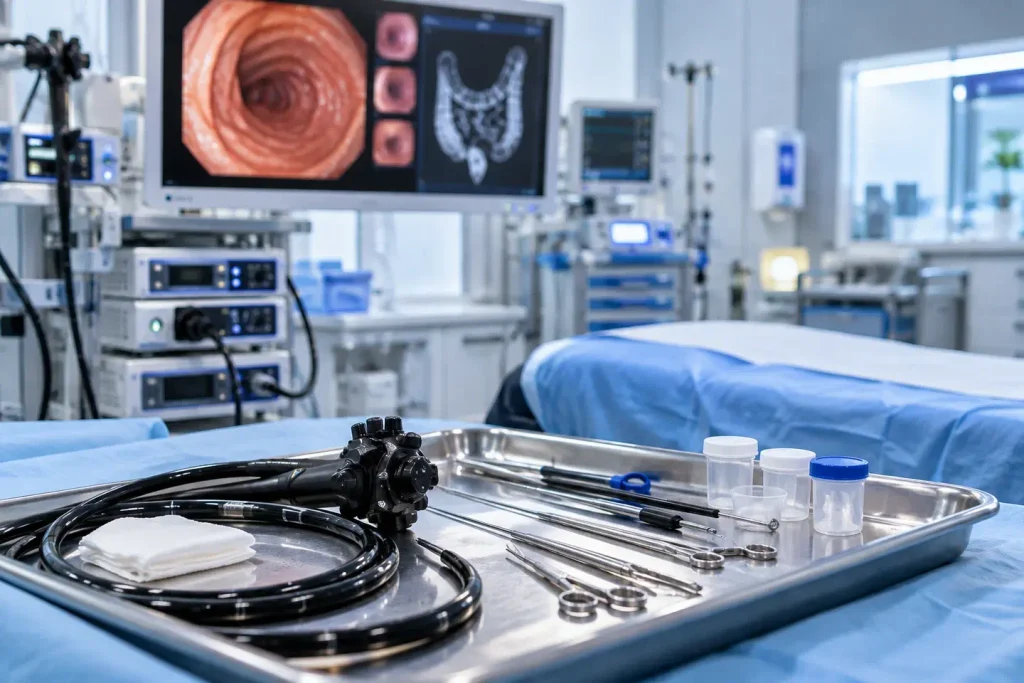
The main test is a colonoscopy, a camera examination that looks directly at the lining of the bowel and allows polyps to be removed and any suspicious areas to be sampled. The NHS also offers a home stool test, the FIT test, as part of its screening programme for eligible ages. If bowel cancer is found, treatment is planned by a multidisciplinary team and tailored to where the cancer is and how advanced it is. Surgery to remove the affected part of the bowel is often central, and chemotherapy or radiotherapy may also be used. Early diagnosis generally means more, and often simpler, treatment options.
See a doctor promptly if you notice blood in your stool, a lasting change in bowel habit, unexplained weight loss, or persistent tummy pain. These symptoms often have a harmless cause, but they should always be checked so anything serious is found early.