A hernia happens when part of the body, usually the bowel or fatty tissue, pushes through a weak spot in the surrounding muscle wall. It often shows up as a lump that comes and goes. Hernias don’t heal by themselves, but repairing them is one of the most common and successful operations in surgery.
Common types of Hernia
Inguinal
In the groin, the most common type, especially in men.
Umbilical
At or near the belly button, common in adults and babies.
Incisional
Through the scar of a previous operation.
Femoral
Lower in the groin, more common in women.
Signs you may have a Hernia
The classic sign is a lump or bulge that may disappear when you lie down, sometimes with aching or dragging discomfort that’s worse when you lift, cough or strain. Some hernias cause few symptoms, but any hernia that becomes suddenly painful, firm, or won’t push back in needs urgent attention.
How hernias are treated
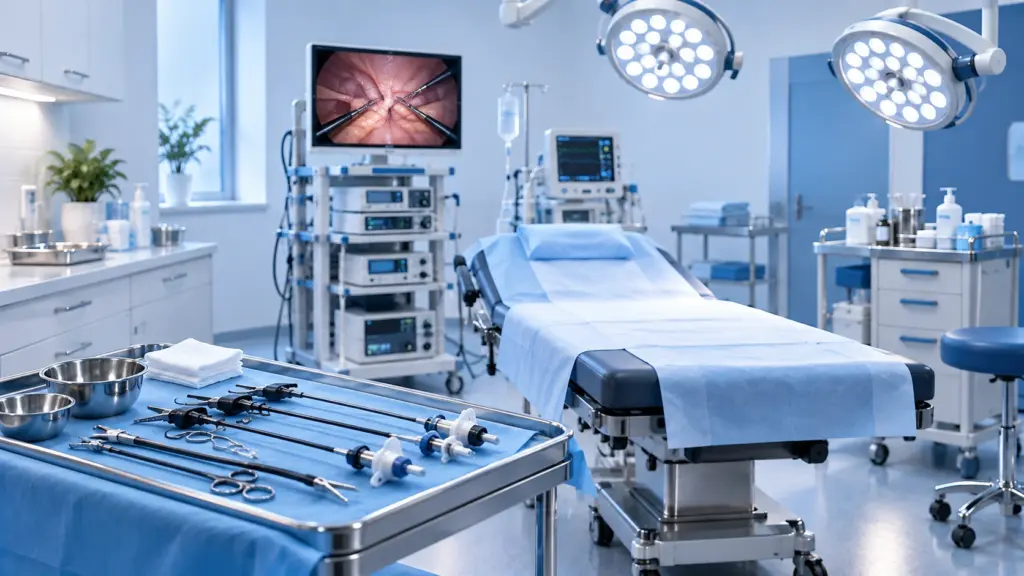
Almost all hernias are treated surgically to return the tissue to its proper place and strengthen the muscle wall, usually with a fine mesh. Mr Kimble performs both laparoscopic (keyhole) and open repairs, and will recommend the approach best suited to your hernia, your health and your lifestyle. Many repairs are done as a day case.
Recovery
Most people go home the same day and are back to gentle activity within a few days, building up over the following weeks. You’ll be given clear aftercare guidance and a direct point of contact, with follow-up to check you’re healing well.
If a hernia suddenly becomes very painful, firm, or the lump won't go back in, especially with nausea or vomiting, seek medical help straight away, as this can be a surgical emergency.